CES 2026: Security as the Foundation of Connectivity, Intelligence, and Automation

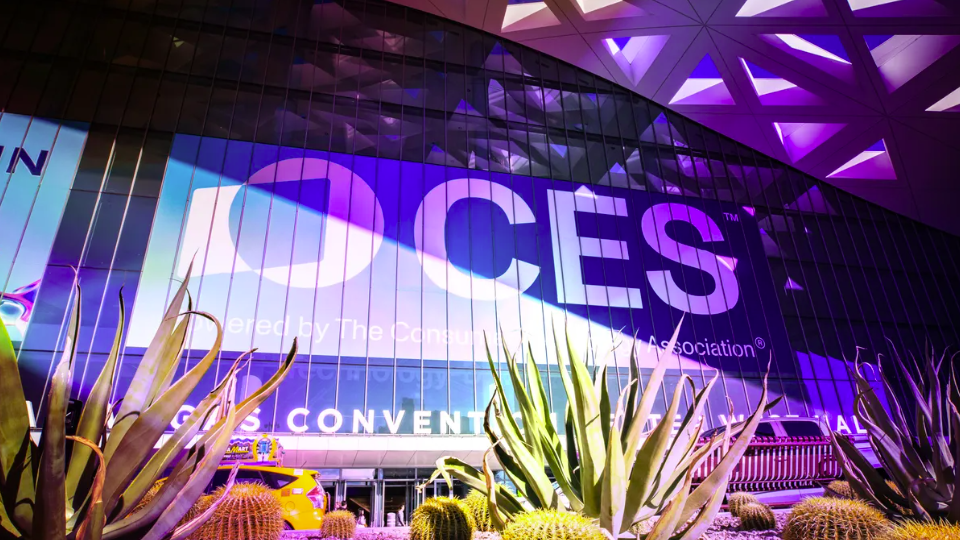
CES 2026, the world’s largest technology exhibition, opened once again in Las Vegas, showcasing the future of cybersecurity alongside next generation innovation. At this year’s event, artificial intelligence, mobility, smart home technologies, digital healthcare, and robotics demonstrated a more advanced world driven by connectivity, intelligence, and automation. However, as every device, system, and industry becomes more connected, cybersecurity at CES 2026 emerged as a defining theme. For Penta Security, this shift confirms that security is no longer optional but foundational to sustainable innovation.
The key themes that ran through CES 2026 were Connectivity, Intelligence, and Automation. Technologies now exchange massive volumes of data in real time, make autonomous decisions, and execute actions without human intervention. Yet, as technological boundaries dissolve and ecosystems integrate, one critical keyword stands out across every sector: Security.
Technology continues to evolve to deliver greater convenience and intelligence. Nevertheless, without robust security architecture, these innovations cannot endure. CES 2026 clearly demonstrated that technological competitiveness no longer depends solely on feature implementation. Instead, it depends on how securely systems are designed from the ground up.
The Expanding Importance of Security in a Hyper Connected Era
We now live in an unprecedented era of connectivity. Vehicles, home appliances, medical devices, and industrial equipment constantly communicate over networks and exchange data. As systems interconnect and data flows in real time, the importance of cybersecurity increases exponentially.
AI systems rely on vast datasets for learning and decision making. Smart home devices collect behavioral and lifestyle data. Autonomous vehicles process sensor data continuously while driving. All of this information contains highly sensitive personal and societal data. If organizations fail to protect this data, the very foundation of innovation can quickly become a source of risk.
Moreover, as real time control systems expand, the potential impact of cyberattacks grows significantly. In the past, cyberattacks primarily focused on data theft. Today, attackers can manipulate systems directly and cause physical damage. For example, hacking an autonomous vehicle can move beyond data leakage and result in serious safety incidents.
Security now directly affects personal safety. Connected technologies process human behavior and biometric information. Therefore, insufficient protection can lead not only to financial loss but also to physical and psychological harm. Security is no longer merely an IT issue. It has become an essential part of the broader social safety infrastructure.
Key Cybersecurity Issues Highlighted at CES 2026
At CES 2026, security emerged as a central challenge across nearly every technology domain.
AI Security
As generative AI and autonomous AI technologies expand, data integrity and model safety have become critical concerns. Attackers increasingly attempt to manipulate training data or exploit vulnerabilities in AI decision making processes, including model poisoning attacks. Consequently, transparent and verifiable AI model governance and algorithm security are now core priorities for enterprises and policymakers alike.
Autonomous Driving and Mobility Security
Vehicles now connect to external systems in real time through networks, increasing the risk of remote hacking and system control. Industry leaders emphasized the importance of securing in vehicle communication systems such as CAN networks, ensuring the safety of Over The Air updates, and implementing authentication based communication frameworks. In the mobility market, competitive advantage now depends less on driving performance and more on cyber resilience and trustworthiness.
IoT and Smart Home Security
The number of IoT devices across homes and industrial environments continues to surge. However, many devices still lack sufficient security updates and encryption capabilities. CES 2026 highlighted Zero Trust based IoT security frameworks that protect device to device communication and assign trusted digital identities to connected endpoints. These measures are essential to building a secure and scalable connected ecosystem.
Healthcare Data Protection
Health technology companies showcased AI driven diagnostics, telemedicine platforms, and wearable devices. At the same time, patient data protection remains a significant challenge. Biometric information cannot be reversed once exposed. Therefore, strong encryption technologies and advanced data anonymization techniques are critical. Across the healthcare sector, organizations are investing heavily in safeguarding sensitive health data.

Security as a Measure of Technological Competitiveness
CES 2026 presented a clear direction for future innovation. Technology is becoming more deeply integrated into everyday life and increasingly interconnected. In this environment, security is no longer a supplementary feature. It is a prerequisite for innovation and a core infrastructure of trust.
Going forward, true technological competitiveness will not be measured by how fast or intelligent a system is. Instead, markets will evaluate how securely it has been designed. The idea that security equals quality has become a shared language across industries. Only technologies that operate safely and reliably can earn sustained market trust.
Ultimately, security determines the pace of innovation and forms the foundation of future society. As a Top global cybersecurity company, Penta Security continues to lead cybersecurity initiatives that enable organizations to innovate with confidence, ensuring that connectivity, intelligence, and automation evolve on a secure and resilient foundation.
Click here to subscribe our Newsletter